Ice fishing combines the quiet appeal of winter angling with conditions that demand careful preparation. A frozen lake may look solid, but ice thickness can vary considerably across a single body of water. Successful outings therefore depend on more than choosing a productive fishing spot. Anglers need reliable equipment, appropriate clothing, sound judgment, and a willingness to turn back when conditions are uncertain.
Essential Ice Fishing Gear
A basic ice fishing setup starts with an auger for drilling holes, an ice scoop for clearing slush, and a short, sturdy rod designed for fishing through the ice. A compact tackle box should contain small jigs, spoons, soft plastics, swivels, and line suited to the species being targeted. Many anglers also carry a portable shelter, folding seat, and insulated bucket that can serve for storage and seating.
Clothing deserves equal attention. Layering allows anglers to adjust to changing temperatures and activity levels, while waterproof boots, insulated gloves, and a wind-resistant outer layer help prevent heat loss. Safety equipment should include ice picks worn around the neck, a throw rope, a whistle, and a fully charged phone kept in a waterproof case. A flotation suit can add another layer of protection, but it should not replace careful ice assessment.
Ice Safety Comes First
Before stepping onto the ice, check local reports and speak with people who know the water. Early-season and late-season ice require particular caution, and no general thickness guideline can account for currents, springs, pressure cracks, snow cover, or changing weather. Clear ice is typically stronger than cloudy or honeycombed ice, but visual inspection alone is never enough.
Carry a spud bar or ice chisel and test the surface as you move. Avoid areas near inlets, outlets, bridges, vegetation, and flowing water. Travel with a partner, tell someone on shore where you will be, and keep distance between people when crossing unfamiliar ice. Snowmobiles and vehicles should only be taken onto ice when local authorities and current conditions support that decision. If the ice feels questionable, retreat rather than relying on luck.
Finding Fish Beneath the Ice
Fish do not distribute themselves evenly during winter. Depth changes, weed edges, drop-offs, rock piles, and points can all concentrate activity. Studying a lake map before the trip helps identify promising areas, while electronics can reveal depth, bottom structure, and fish movement after holes are drilled. Start with several holes at different depths instead of remaining at the first location without evidence of fish.
Ice fishing often rewards mobility. Anglers can begin with an active search pattern, checking each hole for a short period before settling over promising marks. A flasher or sonar unit can show whether fish are rising toward a lure, ignoring it, or moving through another depth. Keeping notes about depth, weather, lure color, and time of day can improve decisions on later trips. Digital resources may also support trip planning, and https://sloticefishing.com/ can be considered alongside local regulations and trusted fishing reports.
Techniques That Improve Results
Jigging is one of the most adaptable ice fishing methods. Small lifts, pauses, and subtle quivers can imitate weakened prey, while occasional stronger movements attract attention from a distance. The best cadence depends on the species and its activity level, so vary the motion and watch how fish respond. A deadstick rod placed nearby with live bait can complement an actively jigged line and cover two presentations at once, where regulations allow it.
Keep the line clear of ice buildup and set the hook with controlled pressure rather than an exaggerated sweep. Cold conditions can make knots brittle and line less flexible, so inspect terminal tackle regularly. Above all, treat ice fishing as a balance between preparation and observation. Safe travel, disciplined equipment choices, and patient experimentation create a more rewarding outing than any single lure or location.

-
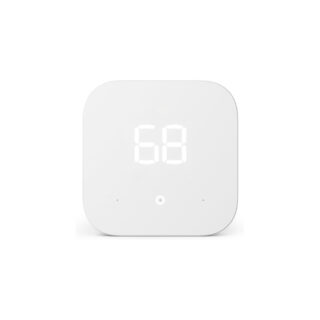 Amazon Smart Thermostat
El precio original era: 129$.85$El precio actual es: 85$.
Amazon Smart Thermostat
El precio original era: 129$.85$El precio actual es: 85$.
-
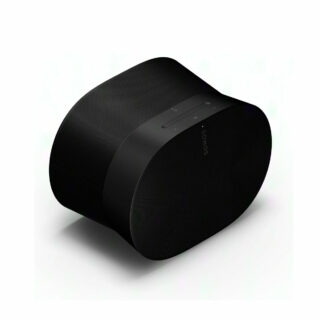 Sonos Era 300 Black
El precio original era: 649$.569$El precio actual es: 569$.
Sonos Era 300 Black
El precio original era: 649$.569$El precio actual es: 569$.
-
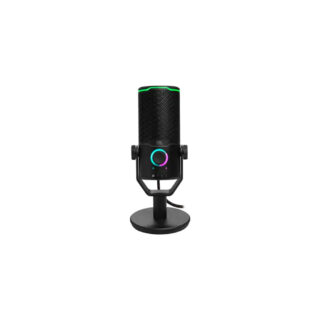 JBL Microfono Quantum Stream Studio
El precio original era: 199$.139$El precio actual es: 139$.
JBL Microfono Quantum Stream Studio
El precio original era: 199$.139$El precio actual es: 139$.
-
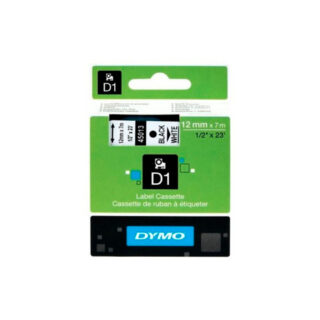 COMPATIBLE CINTA D1 BLACK/WHITE 12MM-7M
El precio original era: 12$.9$El precio actual es: 9$.
COMPATIBLE CINTA D1 BLACK/WHITE 12MM-7M
El precio original era: 12$.9$El precio actual es: 9$.